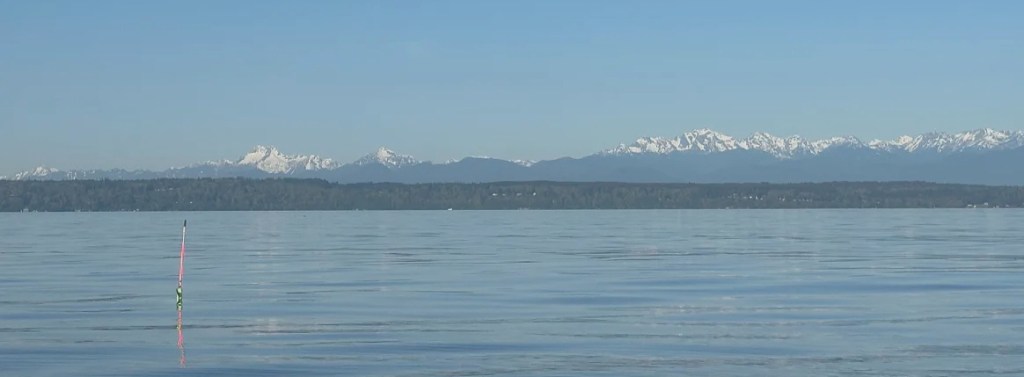
The Student Seaglider Center is a student-run lab within the UW School of Oceanography
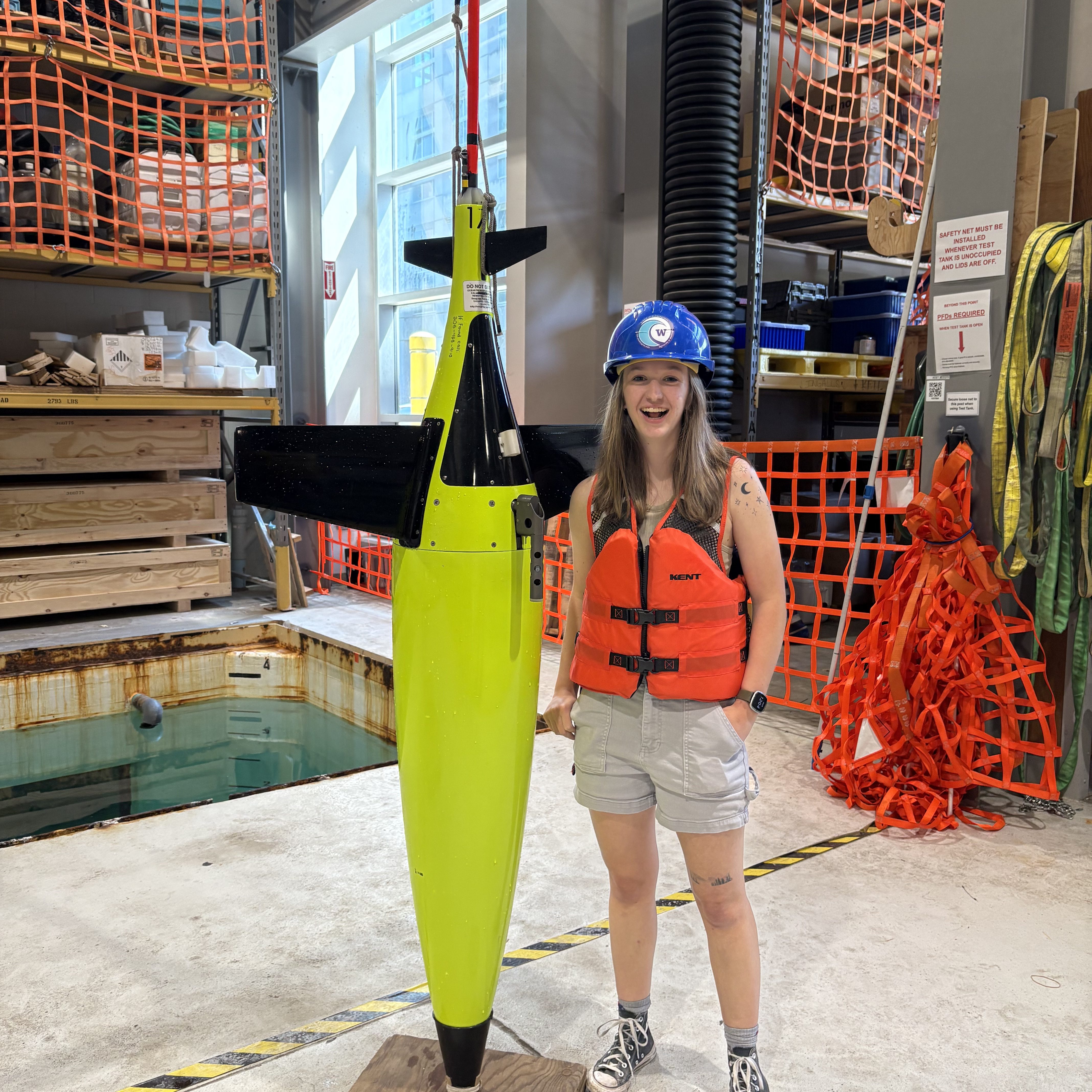
The Student Seaglider Center (SSC) manages a fleet of Seagliders for student-directed research. Assisted by experienced mentors, students conduct technical testing, dive planning, and piloting. Through these activities, students gain invaluable experience conducting oceanographic research, develop essential skills and experience for future careers and make meaningful contributions to the field of oceanography. SSC welcomes students from all backgrounds, interests, and levels of experience to join us in our mission to explore and understand the world’s oceans. SSC students come from a variety of disciplinary backgrounds including natural science, engineering, social science, and business.
The Science Team
The Science Team is dedicated to setting clear scientific objectives for SSC projects, leading the piloting of Seagliders to meet these objectives, and conducting in-depth analysis of collected data to extract meaningful insights. They collaborate closely with mentors to define research goals and hypotheses, plan and execute Seaglider missions, analyze, interpret, and present scientific findings.
Science Associates:
Bella Andre, Kathryn Farabaugh, William Menapace, Sophie Monterola, Nik Giovine, Oliver Parsons
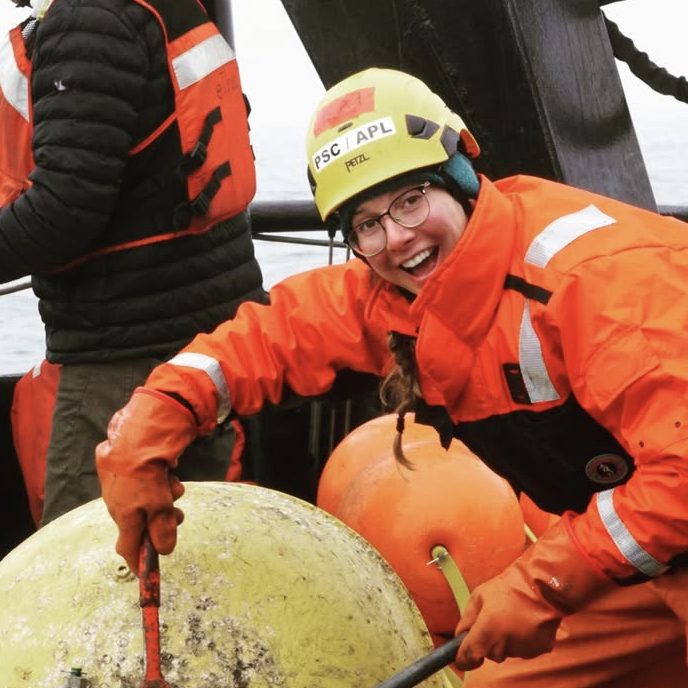
The Technology Team
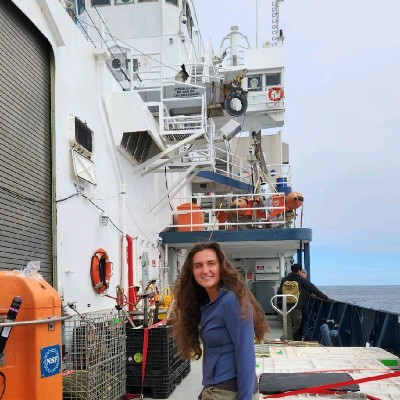
The Tech Team focuses on ensuring the functionality and reliability of Seagliders by conducting thorough testing to optimize their performance. This team is responsible for maintenance and repair, testing, troubleshooting and balasting our gliders. They create field plans and oversee field operations by deploying and recovering Seagliders from small boats during scientific missions. They are trained to troubleshoot technical issues and collaborate with manufacturers or engineers to implement upgrades or modifications for enhancement.
Tech Associates:
Abbey Moore, Devon Shelton, Sage Otulo, Alex Hankins, Victoria deJong, Suzu Yoshikawa, Finley Charnyshou
The Business Team
The Business Team plays a pivotal role in securing funding through grant writing to sustain SSC projects and garnering support for the SSC’s initiatives. Their responsibilities include researching funding opportunities, crafting grant proposals, developing and executing outreach strategies to engage with the community, coordinating logistics for SSC activities, managing finances including budget allocation and expense tracking, and maintaining communication channels within the SSC and with external stakeholders.
Business Associates:
Claire Lutz, Cassia Vinci



Our Mentors

Rick Rupan, Research Scientist
I manage the float lab at the University of Washington School of Oceanography, supporting major programs such as ARGO and SOCCOM. As a co-instructor, I teach Ocean Technology classes and lead a study abroad program in Australia focused on autonomous underwater vehicles. I mentor Ocean Technology apprentices, many of whom have secured jobs with reputable organizations.
I have dedicated the past decade to promoting diversity, equity, and inclusion within the College of the Environment, currently serving as Communications Manager for the DEI committee to enhance representation and transparency in decision-making processes.
In my free time, I am a regional coordinator for the Mate ROV competition in the Pacific Northwest and an advisor for the UW ROV team. I also participate as an announcer for the international ROV competition and oversee several regional events, including the competitions in Oregon and Mumbai, India.
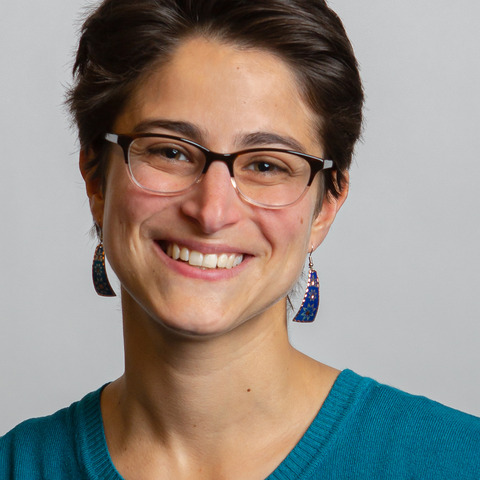
Sasha Seroy, Assistant Teaching Professor
Sasha Seroy is teaching faculty in the UW School of Oceanography, and she leads the UW Ocean Technology Program. She teaches undergraduate courses in both oceanography and marine biology where her students gain hands-on experience developing technical skills to test environmentally relevant hypotheses. Through the Ocean Technology Program, she leads courses and mentors students in the design, construction, and use of various instruments to investigate different oceanographic questions. She is actively involved in STEM education research and conducts outreach with K-12 teachers and community college students. She received a Ph.D. in Oceanography from UW, where she investigated effects of changing ocean conditions on invertebrate interactions using experimental, field, and modeling techniques.
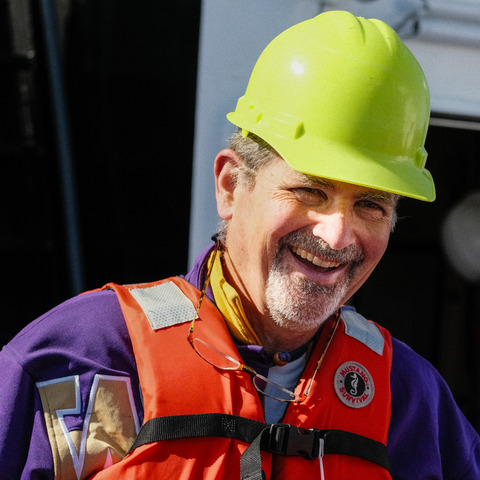
Charles Eriksen, Professor Emeritus
Charles Eriksen is a professor of oceanography at the University of Washington, specializing in experimental physical oceanography. His research focuses on equatorial and upper ocean dynamics, internal waves, and ocean mixing processes, particularly over sloping boundaries. He is also a leading expert in the development and application of autonomous underwater gliders for ocean observation.
Eriksen received his Ph.D. from the Massachusetts Institute of Technology/Woods Hole Oceanographic Institution Joint Program. His work has significantly advanced understanding of internal wave dynamics and oceanic circulation, contributing to improved models of ocean behavior on both regional and global scales.
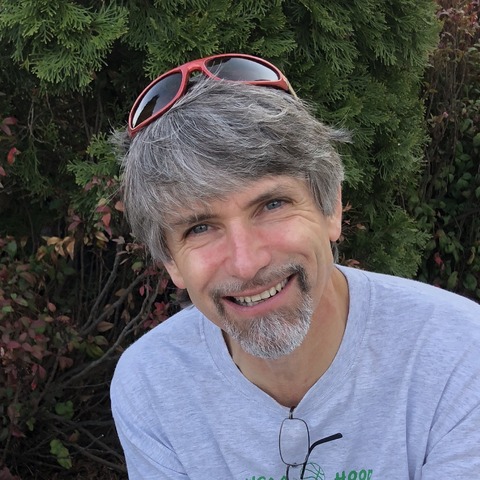
Fritz Stahr, Affiliate Professor
Fritz Stahr is an Affiliate Professor in the School of Oceanography at the University of Washington, with a specialty in marine technology and autonomous underwater vehicles (AUVs). His career spans academia, industry, and community outreach, with a strong focus on advancing marine robotics and promoting hands-on ocean education.
He currently serves as Chief Technology Officer at Open Ocean Robotics, contributing to the development of autonomous marine systems for data collection and ocean monitoring. He co-chairs the Pacific Northwest Regional MATE ROV Competition, supports local marine technology initiatives as an officer in the Marine Technology Society (Puget Sound Section), and volunteers with the UW Student Seaglider Center to mentor the next generation of ocean engineers.
 UW Student Seaglider Center